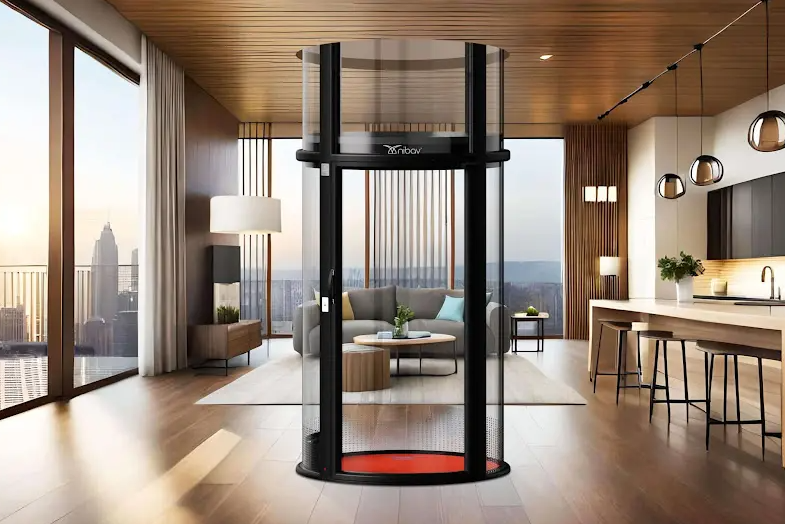
Home elevators are becoming more common across the United States, especially in multi-story homes, coastal properties, and residences designed for aging in place. More homeowners in South Carolina are turning to modern mobility solutions that blend convenience, accessibility, and long-term comfort. Companies like CHS Elevators provide professional services that make planning and installing a home elevator easier, safer, and more efficient. Understanding the options available is the first step toward selecting the right system for your home.
Why Home Elevators Are Gaining Popularity
Home elevators were once viewed as luxury items seen only in large or high-end homes. Today, they have become practical home improvement features that offer numerous benefits, making them suitable for many types of households.
1. Aging in Place
Many families are planning to remain in their homes as they grow older. Stairs can become difficult, risky, and physically demanding. A residential elevator allows homeowners to maintain independence, reduce accidents, and stay in familiar surroundings longer.
2. Convenience and Comfort
Carrying heavy items like furniture, groceries, laundry, and luggage becomes much easier with an elevator. Families with young children, elderly parents, or individuals recovering from injuries benefit tremendously from a lift that simplifies everyday movement.
3. Safety and Mobility Support
Stairs are one of the most common sources of household injuries. A properly installed elevator reduces fall risks and offers a safe alternative for:
Mobility-impaired individuals
Seniors
People with balance issues
Anyone with chronic pain or physical limitations
4. Property Value and Market Appeal
Adding an elevator can increase a home’s overall value and appeal to potential buyers—especially those prioritizing accessibility. In growing areas like Beaufort, Charleston, Hilton Head, and Bluffton, homes with elevators tend to stand out in the real estate market.
5. Design Flexibility and Modern Living
Architects are designing homes with flexible spaces that can accommodate an elevator shaft or future installation. Even older homes can often be retrofitted with compact or shaftless models, making elevators accessible for many property types.
Different Types of Home Elevators
Choosing a home elevator begins with understanding the main types available. Each offers unique advantages depending on space, budget, and design preferences.
1. Shaftless Elevators
A shaftless residential elevator is one of the simplest options for retrofitting an existing home. It requires minimal structural modification because it doesn’t need a full elevator shaft.
Advantages:
Compact footprint
Lower installation costs
Simple construction
Excellent for two-story homes
They’re ideal for homeowners who want convenience without significant renovations.
2. Hydraulic Elevators
Hydraulic systems are known for their smooth, quiet operation. They use a hydraulic piston to raise and lower the elevator car.
Advantages:
Very reliable
High weight capacity
Smooth ride
Suitable for multiple stories
Hydraulic elevators often require a small machine room, but their durability and performance make them a popular choice in larger homes.
3. Traction Elevators
Traction elevators use cables and counterweights to move the cab—similar to many commercial elevators.
Advantages:
Energy-efficient
Often do not require a machine room
Suitable for higher lifts
Sleek, modern operation
They are ideal for homes with multiple floors or homeowners who prefer a contemporary feel.
4. Pneumatic (Vacuum) Elevators
These futuristic elevators use air pressure to lift and lower the cab. They require minimal construction and offer a panoramic 360-degree view.
Advantages:
Extremely compact
Minimal structural changes
Eco-friendly
Stylish design
They are excellent choices for coastal and modern homes, especially in areas like Beaufort and Hilton Head.
5. Custom-Built Elevators
Some homeowners prefer fully customized elevators that blend perfectly with their home’s interior design.
Advantages:
Custom finishes
Personalized size
Unique materials
Enhanced luxury feel
Custom elevators can be designed to match any architectural style, from traditional to ultra-modern.
See also: Red Flags: How to Spot Nursing Home Abuse Early
Essential Factors to Consider When Choosing an Elevator
There are several important things to evaluate before selecting a home elevator. These factors influence cost, installation time, functionality, and long-term value.
1. Available Space
The amount of available space determines the type of elevator that can be installed. Professionals evaluate areas such as:
Closet
Hallways
Stairwells
Existing shafts
Rooms that can be connected vertically
Shaftless or pneumatic elevators are ideal for limited spaces.
2. Number of Floors
The height of your home matters. Some elevator models are better for two-story homes, while others are designed for three or more levels.
3. Weight Capacity
Standard residential elevators typically hold 500–1,000 pounds. Consider who will use the elevator and what items it may frequently transport.
4. Home Design and Aesthetics
Modern elevators are available in a variety of finishes, materials, and interior styles. Options include:
Glass cabins
Wood paneling
Stainless steel
LED lighting
Modern control panels
A home elevator should complement your interior design rather than distract from it.
5. Safety Features
Safety is a top priority in residential elevator systems. Look for features such as:
Emergency stop and alarm buttons
Automatic braking systems
Door interlocks
Safety sensors
Battery-powered lowering during outages
Non-slip flooring
A reputable installer ensures the system meets all local and federal safety regulations.
6. Energy Efficiency
Many homeowners prefer energy-efficient models to keep utility costs low. Traction and pneumatic elevators often use less power than hydraulic systems.
7. Budget Considerations
Costs vary depending on elevator type, construction needs, number of floors, customizations, and installation complexity. A professional consultation helps align your needs with your budget.
Special Considerations for South Carolina Homes
South Carolina homeowners face unique construction and environmental conditions, especially in coastal regions.
1. Coastal Weather and Humidity
Homes near the coast require elevators designed to resist:
Humidity
Salt air
Corrosion
Stainless steel and treated materials help protect the elevator system.
2. Elevated or Stilt Homes
Coastal homes often sit on elevated foundations to protect against flooding. This design may require:
Custom shaft engineering
Extra support structures
Weatherproof enclosures
Professional installers familiar with local architecture can ensure the system is secure and compliant.
3. Local Building Codes and Permits
Each South Carolina county has its own permitting requirements. Professional installers assist with:
Permits
Inspections
Compliance with state and local elevator codes
This ensures a smooth installation process.
4. Accessibility Needs
Custom cabin sizes, wider doors, and user-friendly controls help support individuals with limited mobility or wheelchair users.
How Professional Installation Makes a Difference
A home elevator must be installed correctly to ensure safety, smooth operation, and long-term durability. Professional installation includes:
Structural assessment
Electrical configuration
Shaft construction (if required)
System installation
Safety testing
Final inspection
Ongoing maintenance
Qualified installers support homeowners from planning to final certification.
Maintenance Tips for Keeping Your Elevator in Excellent Condition
To keep your elevator safe and reliable, follow these important maintenance steps:
1. Schedule Regular Inspections
Annual or semi-annual check-ups help identify issues early and extend the life of the system.
2. Keep Components Clean
Dust and debris should be removed from tracks, doors, and mechanical areas.
3. Check Emergency Batteries
Backup systems must be tested regularly to ensure safe operation during power outages.
4. Listen for Unusual Sounds
Grinding, rattling, or inconsistent movement could indicate a mechanical issue.
5. Call Professionals for Repairs
Never attempt DIY fixes. Always contact a certified technician for service.
Final Recommendations for Choosing a Home Elevator
Here’s a simplified way to choose the right system:
Small home or tight space: Shaftless or pneumatic elevator
Multiple floors: Hydraulic or traction system
Luxury interior: Custom cabin
Coastal home: Corrosion-resistant materials
Budget-friendly: Standard shaftless models
Think about your lifestyle, mobility needs, home layout, and long-term plans.
Conclusion
A home elevator is a valuable addition that improves comfort, safety, accessibility, and independence. Whether you’re upgrading for aging in place, accommodating family needs, or enhancing your home’s design, choosing the right system requires careful consideration of space, features, and local construction requirements. Professional installers ensure that every detail—from permits to final testing—is handled with precision and care. To explore trusted residential elevator services in South Carolina, visit Home Elevator installation Beaufort SC.