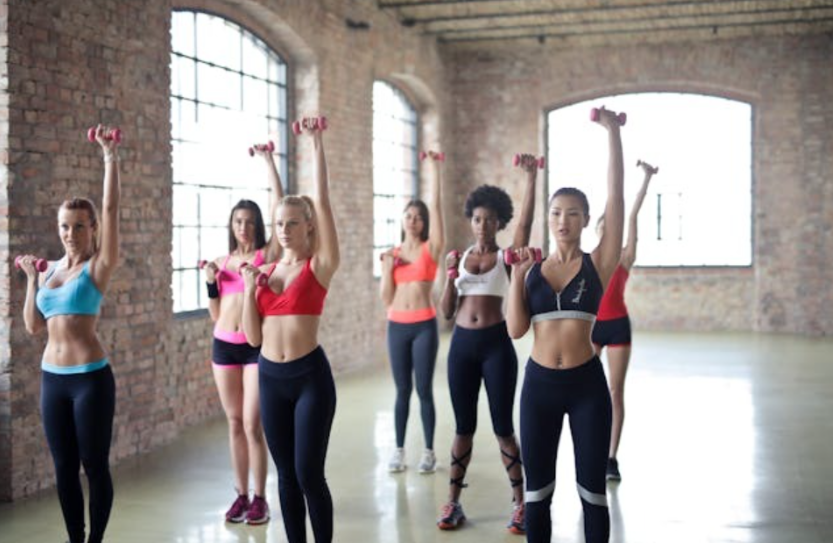
There’s something about turning the calendar to January that makes everyone want to lace up their sneakers and chase after better health. Maybe it’s the fresh start energy, or perhaps it’s just wanting to make good on all those promises we made to ourselves at midnight. Here’s the thing though, getting fit doesn’t require you to dive into bootcamp-style workouts or master complicated fitness programs. What actually works? Simple exercises you can do every single day without feeling overwhelmed. When you blend cardiovascular work with strength training and flexibility exercises into your daily life, you’re building something that lasts. We’re talking about sustainable habits that boost your energy, improve your health, and create real physical changes that stick around long after the initial motivation fades.
Start Your Day with Dynamic Morning Stretches
Ever notice how your body feels like a rusty door hinge first thing in the morning? That’s where dynamic stretches come in, and they’re a game-changer for how you’ll feel throughout the day. Unlike those static stretches where you hold a position, dynamic movements get your blood flowing and wake up muscles that have been dormant all night. Think arm circles that open up your shoulders, leg swings that loosen your hips, and torso rotations that remind your spine it can actually move. Spend ten to fifteen minutes on this routine, and you’ll notice the difference immediately, your body feels ready for whatever the day throws at it.
Build Core Strength with Planks and Variations
Your core isn’t just about getting those coveted abs, it’s literally the powerhouse that supports almost everything you do. Whether you’re carrying groceries, sitting at your desk, or playing with your kids, a strong core makes life easier and helps you avoid injury. Planks might look simple, but they’re incredibly effective because they work multiple muscle groups at once: your abs, back, shoulders, and glutes all fire up simultaneously. Start by holding a forearm plank for thirty seconds to a minute, keeping your body straight as a board from head to heels.
Incorporate Bodyweight Squats for Lower Body Power
If there’s one exercise that delivers the most bang for your buck, it’s the squat. This movement hits your quads, hamstrings, glutes, and calves while simultaneously challenging your balance and core stability. Starting with bodyweight squats, no weights required, gives you the chance to nail down proper form before making things more challenging. Lower yourself with control, keep your chest proud, make sure your knees track over your toes, then push through your heels to stand back up.
Add Push-Ups for Upper Body Development
Push-ups have been around forever, and there’s a reason they’re still a staple in virtually every fitness program. They build strength in your chest, shoulders, and triceps while engaging your core as a bonus. No fancy equipment, no gym membership, just you and the floor. Can’t do a traditional push-up yet? No problem.
See also: Enhancing Efficiency with Liberty Liens’ Home Health Care Billing Services
Prioritize Cardiovascular Exercise for Heart Health
Cardio gets all the attention for burning calories and managing weight, but its real value goes much deeper than that. Regular cardiovascular exercise strengthens your heart, improves circulation, boosts lung capacity, and sharpens mental clarity by pumping more oxygen to your brain. The specific activity you choose matters less than showing up consistently, whether that’s a brisk walk, a jog around the neighborhood, a bike ride, or dancing in your living room. Aim for at least thirty minutes of moderate-intensity movement daily. If you’re pushing yourself through high-intensity training sessions, professionals who need to maximize their workout performance often rely on pre workout supplements to enhance energy and endurance during demanding cardiovascular activities. Can’t carve out thirty straight minutes? Break it into three ten-minute chunks throughout the day, your heart won’t know the difference. Mixing up your cardio activities keeps things fresh while challenging your body in varied ways, promoting more well-rounded fitness development. Don’t underestimate the mental health benefits either. Regular aerobic exercise triggers endorphin release and tamps down stress hormones, naturally improving your mood and emotional state right alongside those physical transformations.
Enhance Flexibility with Evening Yoga or Static Stretching
After a full day of activity, your muscles deserve some attention and care. Evening stretching or yoga practice creates the perfect bookend to your morning dynamic stretches, helping tired muscles recover while signaling to your body that it’s time to wind down. Static stretches, where you hold each position for twenty to thirty seconds, effectively lengthen muscles and improve flexibility when you make them a consistent habit. Target the major players: hamstrings, hip flexors, quads, chest, and shoulders, lingering a bit longer on any areas that feel particularly tight.
Conclusion
Getting fit in the new year doesn’t have to mean dramatic lifestyle overhauls or overwhelming commitments. These fundamental exercises, morning stretches, planks, squats, push-ups, cardio, and evening flexibility work, form a balanced approach that covers all the bases without demanding hours of your time. The secret ingredient isn’t intensity or perfection; it’s showing up consistently, starting with what’s manageable, and gradually challenging yourself as you grow stronger. Real transformation happens through small daily efforts that compound over time. Those fifteen-minute sessions performed reliably will beat sporadic marathon workouts every single time. Instead of treating these exercises as a temporary new year’s resolution, embrace them as permanent additions to your lifestyle. That’s when fitness stops being something you’re trying to achieve and becomes simply part of who you are, enhancing your energy, health, and overall well-being every single day.