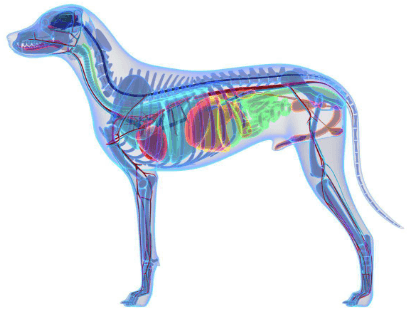
Understanding your pet’s body is essential for proper care, training, and health management. A dog anatomy diagram is one of the most effective tools for learning how a dog’s body is structured and how each part functions. Whether you are a pet owner, student, or veterinary professional, studying a dog anatomy diagram can help you better understand your dog’s physical health and behavior.
What Is a Dog Anatomy Diagram?
A dog anatomy diagram is a visual representation of a dog’s body structure. It shows the internal and external parts of a dog, including organs, bones, muscles, and systems.
These diagrams are used in:
- Veterinary education
- Pet care training
- Animal science studies
- Dog grooming and handling
They simplify complex biological structures into easy-to-understand visuals.
External Anatomy of a Dog
The external anatomy refers to the visible parts of a dog’s body.
Key External Features
- Head (eyes, ears, nose, mouth)
- Neck
- Body (chest and abdomen)
- Legs (forelimbs and hind limbs)
- Tail
- Coat (fur)
Understanding these parts helps in grooming, training, and identifying physical changes.
Internal Anatomy of a Dog
A detailed dog anatomy diagram also highlights internal systems that are essential for survival and health.
1. Skeletal System
The skeletal system provides structure and support.
- Dogs have around 319 bones
- Protects vital organs
- Enables movement
2. Muscular System
Muscles allow movement and flexibility.
- Work with bones and joints
- Help in running, jumping, and playing
- Support posture and balance
3. Digestive System
Responsible for breaking down food and absorbing nutrients.
Key organs include:
- Mouth
- Esophagus
- Stomach
- Intestines
- Liver
4. Respiratory System
Helps dogs breathe and regulate oxygen levels.
Includes:
- Nose
- Trachea
- Lungs
Dogs also use panting to regulate body temperature.
5. Circulatory System
This system transports blood, oxygen, and nutrients.
- Heart pumps blood
- Blood vessels carry oxygen
- Supports overall body function
6. Nervous System
Controls body functions and responses.
- Brain
- Spinal cord
- Nerves
It helps dogs respond to their environment and stimuli.
Importance of a Dog Anatomy Diagram
Better Health Monitoring
Understanding anatomy helps detect abnormalities early.
Improved Training
Knowing how a dog’s body works can improve training techniques.
Effective Grooming
Helps identify sensitive areas and proper grooming practices.
Veterinary Support
Useful for explaining conditions and treatments.
How to Read a Dog Anatomy Diagram
To understand a diagram effectively:
- Start with external parts
- Move to internal systems
- Learn labels and functions
- Focus on one system at a time
- Use color-coded diagrams for clarity
See also: Creating a Weekly Cleaning Schedule That Works for You
Common Health Issues Linked to Anatomy
A good understanding of anatomy helps identify common problems.
Skeletal Issues
- Hip dysplasia
- Arthritis
Digestive Problems
- Bloating
- Indigestion
Respiratory Issues
- Breathing difficulties
- Allergies
Nervous System Disorders
- Seizures
- Nerve damage
Benefits for Pet Owners and Students
Dog anatomy diagrams are beneficial for:
Pet Owners
- Understand pet health
- Recognize symptoms early
- Provide better care
Students
- Learn animal biology
- Prepare for veterinary studies
- Improve practical knowledge
Modern Tools for Learning Dog Anatomy
Today, learning is more interactive than ever.
- 3D anatomy apps
- Virtual simulations
- Interactive diagrams
- Online courses
These tools make learning engaging and easier to understand.
Tips for Using Dog Anatomy Diagrams Effectively
- Use labeled diagrams
- Practice identifying parts
- Compare different systems
- Combine with real-life observation
- Revise regularly
Conclusion
A dog anatomy diagram is an essential resource for anyone interested in canine health and biology. It provides a clear and structured way to understand how a dog’s body functions, from external features to internal systems.
By studying a dog anatomy diagram, pet owners and students can gain valuable insights into canine health, improve care practices, and better understand their furry companions. Whether for education or everyday pet care, these diagrams are powerful tools for building knowledge and confidence.