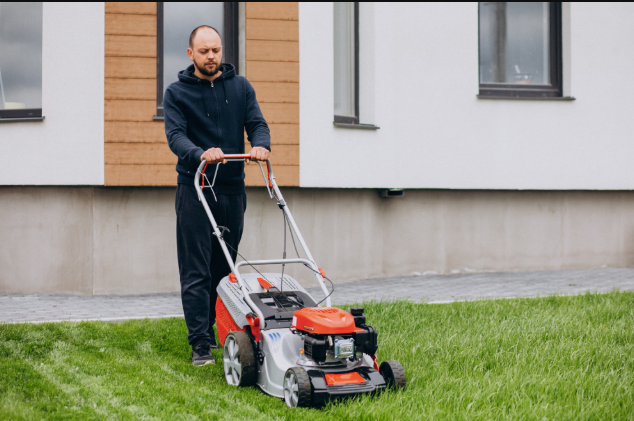
A lush, green lawn is more than just an attractive outdoor feature. It improves curb appeal, increases property value, and creates a welcoming space for relaxation and outdoor activities. Many homeowners choose professional services like Sea Breeze Lawn Care to ensure their lawns stay healthy, properly maintained, and visually appealing throughout the year. However, maintaining a healthy lawn year-round still requires understanding proper lawn care techniques and seasonal maintenance.
Whether you are a homeowner who enjoys gardening or a business owner who wants to keep your property looking professional, proper lawn care practices make a big difference. In this guide, we will explore practical tips, seasonal strategies, and essential maintenance techniques to help you keep your lawn healthy and vibrant all year long.
Understanding the Basics of Lawn Care
Before diving into specific maintenance practices, it’s important to understand what makes a lawn healthy. Grass needs four main elements to thrive:
Sunlight
Water
Nutrients
Proper soil conditions
When these elements are balanced, your lawn grows stronger and becomes more resistant to pests, diseases, and harsh weather conditions. Consistent lawn care routines such as mowing, fertilizing, watering, and aerating help maintain this balance.
Proper Lawn Mowing Techniques
Mowing may seem like a simple task, but doing it incorrectly can damage your lawn.
Maintain the Right Grass Height
Cutting grass too short weakens the roots and makes the lawn vulnerable to weeds and drought. Most grass types perform best when they are kept between 2.5 and 4 inches tall.
Follow the One-Third Rule
Never remove more than one-third of the grass blade during a single mowing session. This prevents stress and allows grass to recover quickly.
Keep Mower Blades Sharp
Dull blades tear grass instead of cutting it cleanly. This can lead to brown tips and increase the risk of disease. Sharpen mower blades regularly for a clean cut.
Change Mowing Patterns
Mowing the same direction every time can cause soil compaction and uneven grass growth. Alternate mowing directions to keep your lawn healthy.
Watering Your Lawn Effectively
Water is essential for grass health, but overwatering can cause problems such as fungal growth and shallow roots.
Water Deeply but Less Frequently
Instead of watering lightly every day, provide deeper watering sessions two or three times a week. This encourages roots to grow deeper into the soil.
Water Early in the Morning
Early morning watering reduces evaporation and allows the grass to dry during the day, which helps prevent fungal diseases.
Monitor Rainfall
Adjust your watering schedule depending on rainfall levels. Too much water can be just as harmful as too little.
Fertilization for Strong Lawn Growth
Fertilizers provide essential nutrients that grass needs to grow strong and maintain a vibrant green color.
Key Nutrients for Lawns
Most lawn fertilizers contain three main nutrients:
Nitrogen: Promotes green growth
Phosphorus: Supports root development
Potassium: Strengthens resistance to stress and disease
Seasonal Fertilization
Different seasons require different fertilization approaches:
Spring: Encourage healthy growth after winter dormancy.
Summer: Apply light feeding to maintain strength during heat.
Fall: Strengthen roots before winter.
A proper fertilization plan helps grass remain thick, healthy, and resistant to environmental stress.
The Importance of Lawn Aeration
Over time, soil becomes compacted due to foot traffic, heavy equipment, and natural settling. Compacted soil prevents water, air, and nutrients from reaching the roots.
What Is Aeration?
Aeration involves creating small holes in the soil to allow better airflow and nutrient absorption.
Benefits of Aeration
Improves root development
Enhances water absorption
Reduces soil compaction
Encourages thicker grass growth
Aeration is typically recommended once a year, especially for lawns with heavy foot traffic.
Controlling Weeds Naturally
Weeds compete with grass for nutrients, sunlight, and water. Without proper control, they can quickly take over your lawn.
Preventive Measures
The best way to control weeds is by maintaining a healthy lawn. Thick grass naturally blocks weeds from spreading.
Manual Weed Removal
Small weed patches can often be removed by hand or with simple gardening tools.
Use Safe Herbicides
For larger weed infestations, selective herbicides may be necessary. Always follow recommended guidelines to avoid damaging the lawn.
Pest and Disease Management
Lawns can be affected by insects and diseases that damage grass and weaken the overall landscape.
Common Lawn Pests
Some common pests include:
Grubs
Armyworms
Chinch bugs
These pests feed on grass roots or blades, causing brown patches and thinning areas.
Signs of Lawn Disease
Watch for warning signs such as:
Discolored patches
Powdery or mold-like growth
Rapid grass thinning
Regular lawn inspections help detect problems early before they spread.
Seasonal Lawn Care Guide
Each season presents different challenges and opportunities for lawn maintenance.
See also: Online Company Formation: How Digital Registration Works
Spring Lawn Care
Spring is the time when grass begins to grow actively again.
Key spring tasks include:
Cleaning up debris and fallen leaves
Aerating compacted soil
Applying fertilizer
Overseeding thin areas
Proper spring care sets the foundation for healthy growth during the rest of the year.
Summer Lawn Care
Summer heat can stress your lawn if it is not properly maintained.
Important summer practices include:
Consistent watering
Higher mowing height
Monitoring for pests and disease
Avoiding heavy fertilization during extreme heat
Maintaining proper lawn care habits during summer helps grass stay strong despite high temperatures.
Fall Lawn Care
Fall is one of the most important seasons for lawn maintenance.
Tasks to focus on include:
Aerating the soil
Applying fall fertilizer
Overseeding bare spots
Removing fallen leaves
Fall lawn care strengthens roots and prepares the grass for winter dormancy.
Winter Lawn Care
Although grass growth slows during winter, lawn care should not be ignored.
Winter lawn care tips include:
Avoid excessive foot traffic on frozen grass
Remove debris and branches
Prepare equipment for the upcoming spring
A little winter maintenance can help ensure a smoother transition into the next growing season.
Soil Health and Lawn Success
Healthy soil is the foundation of a thriving lawn.
Conduct Soil Testing
Soil tests help determine nutrient levels and pH balance. This allows you to choose the right fertilizers and treatments.
Improve Soil Structure
Adding organic matter such as compost can improve soil quality, water retention, and microbial activity.
Maintain Proper pH Levels
Most grass varieties prefer slightly acidic soil. Adjusting soil pH can significantly improve lawn performance.
Landscaping Enhancements for a Better Lawn
Beyond grass maintenance, landscaping elements can improve the overall appearance and functionality of your yard.
Edging and Borders
Edging creates clean lines between lawns, flower beds, and walkways.
Mulching
Mulch helps retain soil moisture and prevents weed growth around plants and garden beds.
Plant Selection
Choosing plants suited to your climate and soil conditions makes landscaping easier to maintain.
Benefits of Professional Lawn Care Services
While many homeowners enjoy taking care of their lawns themselves, professional services offer several advantages.
Expertise and Experience
Professionals understand different grass types, soil conditions, and climate factors that affect lawn health.
Time Savings
Maintaining a lawn requires regular attention. Hiring professionals allows you to focus on other priorities.
Access to Professional Equipment
Commercial lawn care companies use specialized equipment that delivers better and more efficient results.
Customized Lawn Care Plans
Each lawn has unique needs. Professional services often create personalized maintenance plans tailored to specific properties.
Final Thoughts
Maintaining a healthy lawn year-round requires dedication, proper techniques, and an understanding of seasonal lawn care needs. By following best practices such as proper mowing, efficient watering, fertilization, and soil management, you can create a lush and vibrant lawn that enhances the beauty of your property.
Whether you choose to maintain your lawn yourself or rely on experienced professionals, consistent care will always produce the best results. If you want expert support for residential or commercial landscaping in Charleston, Mount Pleasant, or Daniel Island, you can explore professional services by visiting seabreezelawncare.com to learn more about reliable lawn care solutions.