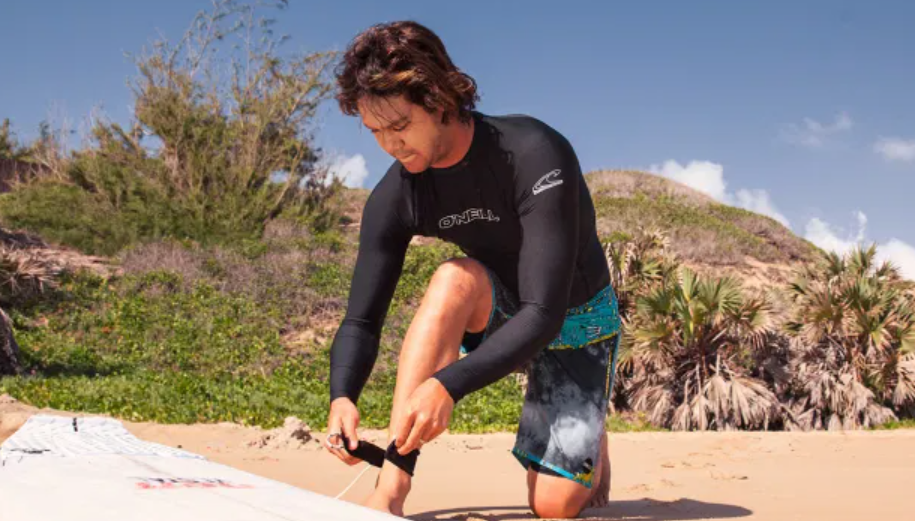
If you enjoy swimming, surfing, snorkelling or any other water-based activity, you’ve probably come across both rashies and wetsuits. While they may look similar at a glance, these two types of gear serve different purposes. Knowing when to wear a rashie versus a wetsuit can make all the difference in comfort, performance, and protection.
What is a Rashie?
A rashie, short for rash vest, is a lightweight, form-fitting top made from synthetic materials like lycra, polyester or nylon. It’s designed to protect the skin from sunburn and chafing caused by sand or surfboards. Rashies are commonly used in Australia for swimming, surfing and general beachwear because of their breathable, quick-drying fabric and UPF-rated sun protection.
What is a Wetsuit?
A wetsuit is a thicker, thermal garment made from neoprene. It insulates the body in cold water by trapping a thin layer of water between the suit and the skin. This water is warmed by your body heat, helping you stay comfortable during extended periods in the ocean. Wetsuits are typically used in colder conditions or for longer water activities like diving, open water swimming and winter surfing.
See also: Why Charlotte Residents Are Switching to Recurring House Cleaning and Pest Control Services
Key Differences Between Rashies and Wetsuits
The most obvious difference is the material. Wetsuits use neoprene for insulation and buoyancy, while rashies are made from stretchy, fast-drying fabric for flexibility and sun protection. A rashie Australia is ideal for warm weather and sun exposure, while wetsuits are essential in colder temperatures. Rashies are easier to move in and typically offer less coverage, whereas wetsuits cover more of the body and provide superior thermal protection. Another distinction is that wetsuits tend to be thicker and more buoyant, helping swimmers float more easily.
When to Wear a Rashie vs a Wetsuit
Rashies are ideal for hot days at the beach or pool, offering protection against UV rays and board rash without overheating. They’re perfect for kids, casual swimmers, or surfers in warm water. On the other hand, wetsuits are the go-to for scuba diving, surfing in colder conditions or participating in water sports where prolonged exposure to cold water is expected.
Rashies in Australia: A Staple for Summer
In Australia, rashies are not just functional but culturally popular. Many families choose them for children to ensure sun protection throughout the day. They’re also a favourite among surfers and swimmers for their lightweight feel and ease of movement. Rashies are available in a range of styles, sleeve lengths, and colours, making them a practical and stylish choice.
Choosing the Right Option for Your Activity
Before deciding what to wear, think about the temperature of the water, the duration of your activity, and whether sun protection or warmth is more important. In some cases, people wear a rashie under their wetsuit to prevent chafing and add an extra layer. If you’re mainly spending time in warm water or at the beach, a rashie may be all you need. But if you plan to be in colder environments or in the water for longer, a wetsuit will provide the insulation and comfort required.
Closing Thoughts
Rashies and wetsuits serve different but equally important roles in water activities. A rashie offers lightweight sun protection and comfort in warm conditions, while a wetsuit provides insulation and coverage in cooler environments. The best choice depends on your activity, location and water temperature, so be sure to choose the right gear to keep you protected and comfortable in and out of the water.